Subject: Joker
Culture: American comics fandom
Setting: DC Comics
Context (Event Photos, Primary Sources, Secondary Sources, Field Notes)
* Misiroglu/Eury eds. 2006 p176
"Call him what you will -- the Clown Prince of Crime, the Harlequin of Hate, the Ace of Knaves, or even 'Mr. J' -- but Batman's arch-foe the Joker is one of the most recognizable of all supervillains. His chalk-white skin, green hair, rouge-red lips, and toothy, macabre smile are etched into infamy, evoking the clown fears that have traumatized countless children and have lingered in the nightmares of many adults."
* Misiroglu ed. 2004 p68
"With his pallid pigmentation, green hair, and baleful smile, the Joker's frightfulness extended beyond his ghastly looks: This homicidal harlequin exterminated foes and associates alike with a poison that froze his victims' faces in hideous grins."
* Misiroglu ed. 2004 p70
"[N]o Batman villain better epitomized the grim-and-gritty 1980s than the good old Joker, who ended the decade by shooting and paralyzing Barbara (Batgirl) Gordon, murdering the second Robin, and usurping the screen from the title star (in a tour de force by actor Jack Nicholson) in Tim Burton's hit film Batman (1989)."
* Wallace 2014 p40
"The Clown Prince of Crime. The Harlequin of Hate. These titles try to capture the Joker's innate contradiction as a showman gone sour, but the character is far too chaotic to be summed up by a label. As one of the biggest figures in popular culture, the Joker is in the unique position of being more popular than many DC Comics heroes. As Chuck Dixon, writer on the Batman titles during the 1990s, puts it, 'Joker stories are not about Batman. They're about the Joker."
* Hatfield/Heer/Worcester eds. 2013 p122 (Geoff Klock, "The revisionary superhero narrative" p116-135)
"Like Batman, the Joker has been the subject of various disparate portrayals in the Batman titles and has gone through an equal amount of instability regarding his history and character. A disturbed murderer in the 1940s and early 1950s, he becomes silly rather than evil after the crackdown on violence in comics in 1954 (led by Wertham's book), then slowly returns to his earlier viciousness as comics begin to recover. Miller's Joker has the personality of an aging, degenerate rock star, as murderous as he is effete. The Dark Knight Returns portrays the Joker in a role that synthesizes these dual and opposing personae. The dialogue between hero and villain unearths Wertham's general charges of homoeroticism in Batman, and the shift from Batman/Robin to Batman/Joker makes the claim significantly more interesting and complex. The effect is not, as some have claimed, simply a homophobic attempt to align homosexuality with evil, but rather provides a subterranean connection between two characters who seem, on the surface, to be diametrically opposed."
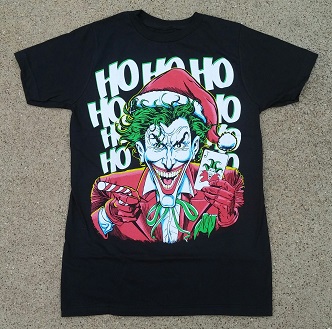
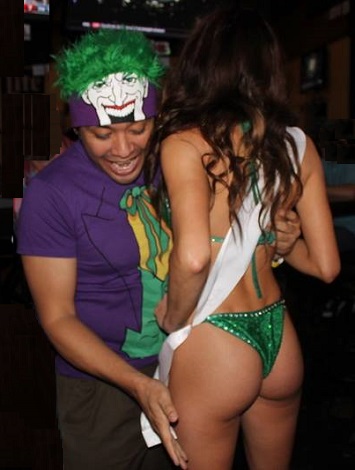
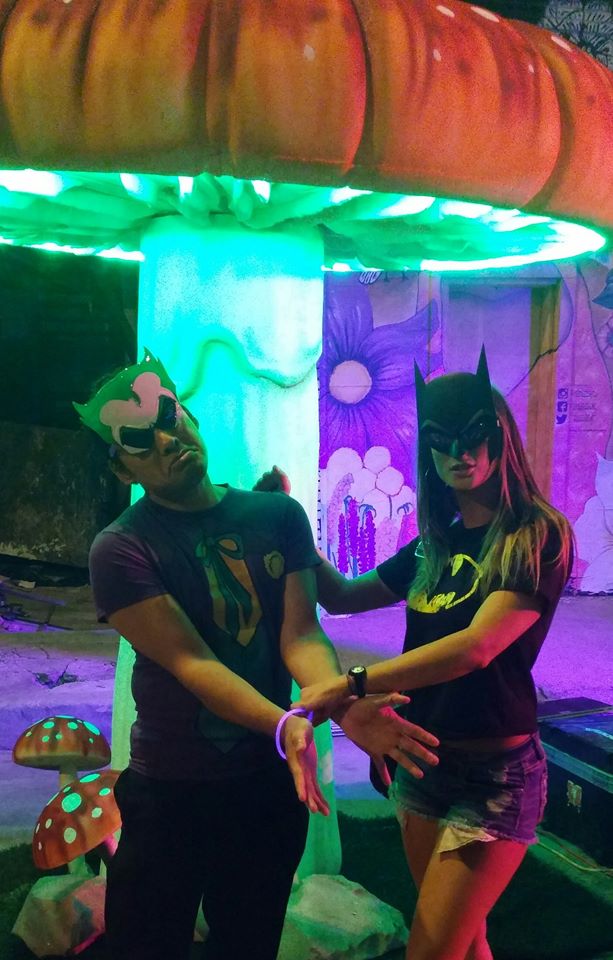
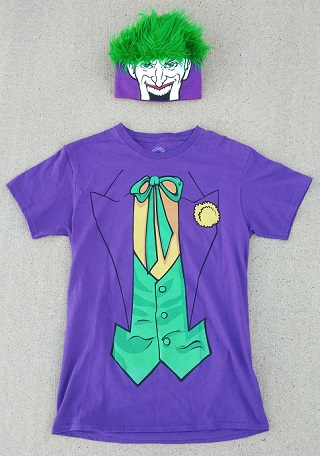
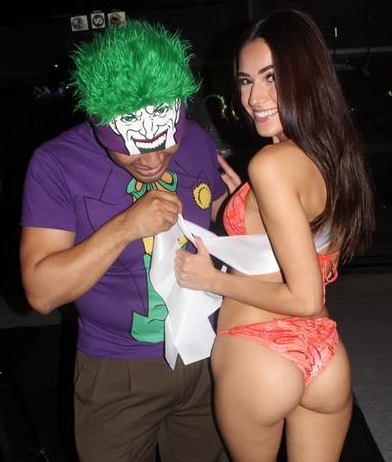
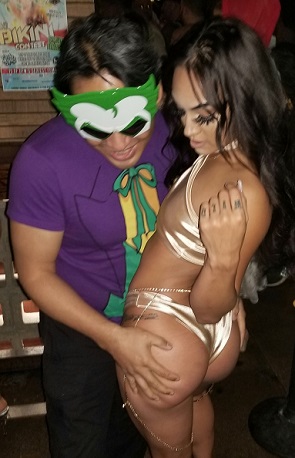
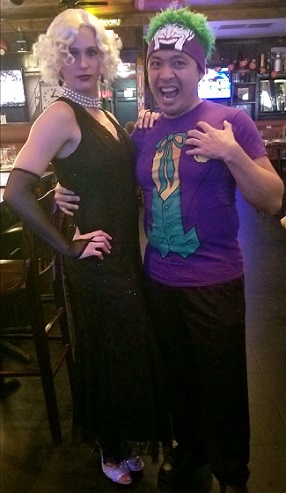
Costume
* Wallace 2014 p40-42
"Unique interpretations of the Joker by writers, artists, and actors all share a common core of madness. 'The Joker reinvents himself every morning,' explains Dixon. 'He's whatever you need him to be. He presents an intellectual, psychological, and physical challenge for Batman. He's the whole package.'
"Jim Lee sees brilliance in the Joker's design. 'He's this thin, wiry, very over-the-top caricature of the creepy clown from people's nightmares,' he says. 'That contrasts well with the shorter, blocky, shadowy silhouette of Batman. And his whites, reds, and greens really pop against Batman's grays and dark blues.'"