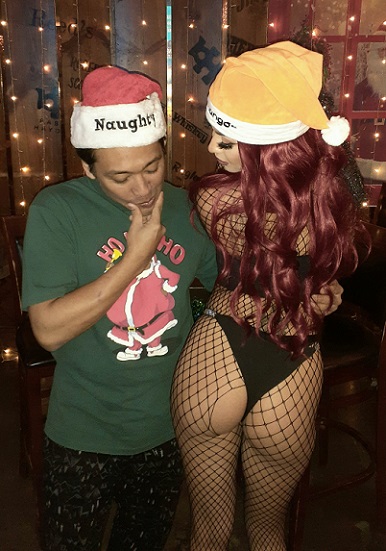
Subject: Fat Albert
Culture: urban African-American
Setting: Filmation
Context (Event Photos, Primary Sources, Secondary Sources, Field Notes)
""Fat Albert and the Cosby Kids" is an animated television series that premiered on CBS on September 9, 1972, as part of its Saturday morning lineup. The show is loosely based on the childhood experiences of comedian Bill Cosby and follows a group of friends living in a lower-income urban neighborhood in Philadelphia. The characters, including Fat Albert, Rudy, and Weird Harold, navigate real-life issues such as peer pressure, bigotry, and learning disabilities, with each episode concluding with a moral lesson reinforced by Cosby himself.
"The backdrop of the series features realistic depictions of urban life, highlighting the challenges faced by its characters. It stands out as a landmark in children's programming, particularly for its positive portrayal of African American characters at a time when most cartoons either perpetuated stereotypes or ignored diversity altogether. The show was notable not only for its educational content but also for its sensitivity to social issues, setting a new standard for quality children's programming.
"Its success is reflected in its twelve-year run on CBS and continued popularity through syndication, leading to DVD releases and a live-action film adaptation in 2004. The impact of "Fat Albert and the Cosby Kids" remains significant as a culturally relevant and educational animated series."
"Fat Albert Robertson, famously voiced by Bill Cosby, is the beloved main character and moral leader of the classic TV series Fat Albert and the Cosby Kids. The character was inspired by Cosby’s real-life childhood friend, making Albert the heart and soul of the Junkyard Gang.
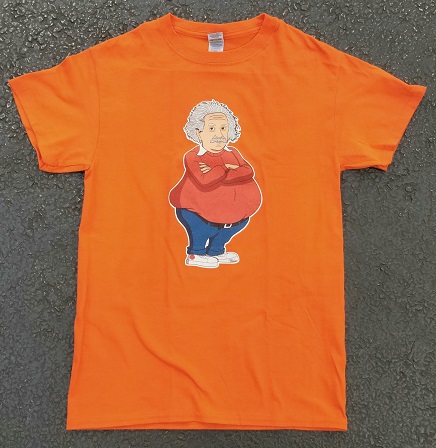
"Although his large size is often referenced, Fat Albert is surprisingly agile and deeply passionate about sports. He never lets his weight define his abilities, always stepping up to lead by example. His signature outfit—a red pullover paired with blue pants—embodies his approachable and iconic persona.
"Fat Albert is well-known for his warmth and genuine kindness, often lending a helping hand to friends and seeking wisdom from trusted adults when needed. He is particularly inspiring to viewers who face challenges with their self-image, showing that determination and self-confidence can break through limitations."
"The beating heart of the Junkyard Gang, Fat Albert Robertson is more than just the show’s namesake. He’s the glue holding everyone together. Though his size makes him stand out, it’s his character that shines brightest. This title character is wise, kind, and always ready to do what’s right, whether it’s standing up for friends, solving problems in the neighborhood, or leading a musical lesson.
"His red sweater, booming laugh, and endless compassion made him the show’s moral center. Whether singing with the band or stepping in as the voice of reason, Fat Albert taught generations that being good is the coolest thing of all."
* Museum of Uncut Funk 2024 online
"Fat Albert and the Cosby Kids the animated series was created, produced, and hosted by comedian Bill Cosby, who also lent his voice to a number of characters, including Fat Albert himself. Filmation was the production company for the series. The show premiered on September 9, 1972 and ran until 1985. The show, based on Bill Cosby’s remembrances of his childhood gang, focused on the lovable, oversized Albert, with his signature rumbling exclamation “Hey hey hey!”, and his friends.
"Fat Albert and the Cosby Kids was the third positive Black cast Saturday morning cartoon series and the longest running positive Black cast Saturday morning cartoon series to air. The 40th anniversary of the Fat Albert cartoon is September 9, 2012.
"Fat Albert first appeared in the Hey, Hey, Hey, It’s Fat Albert animated special on November 12, 1969 on NBC. This special was the first positive all Black cast cartoon to appear on TV. The music for this special was written and performed by jazz pianist / keyboardist Herbie Hancock and released on the album Fat Albert Rotunda.
"Fat Albert primarily spoke to Black youth, a segment of the population previously ignored by Saturday morning programming. However, the show had an impact on children across the United States, regardless of race. The show always had an educational lesson emphasized by Cosby’s live-action cameos, and the gang always gathered in their North Philadelphia junkyard to play a rock song on their cobbled-together instruments. Cosby’s Kids had an upbeat attitude and were eager to learn, in spite of their apparent poverty.
"The character Fat Albert first appeared in Cosby’s stand-up comedy routine “Buck Buck,” as recorded on his 1967 album Revenge. The stories were based upon Cosby’s tales about growing up in inner city North Philadelphia.
"[....] Fat Albert Jackson — Voiced by Bill Cosby, based on his childhood friend Albert Robertson. The main character in the series, Fat Albert is the heart and soul — and often the conscience — of the Junkyard Gang; though he is depicted as being obese, he remains active through his love of sports, often taking part in different games along with the rest of the gang. Fat Albert works hard to maintain integrity in the gang and with others, and plays bagpipes/accordion (made from a radiator and an airbag) in the Junkyard Band."
Costume
*
"