Subject: 'swashbuckler' swordsman
Culture: late Tudor English
Setting: duelling, social violence, Elizabethan England mid 16th-early 17thc
Object: sword
Royal Armouries Museum > Self-Defence Gallery *
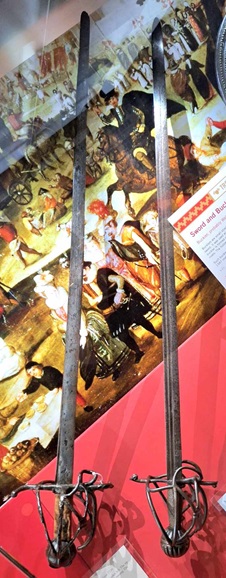
"Sword Probably English, about 1530 With an early form of basket hilt.
The top of its single-edged blade is missing. The grip is restored." ...
"Sword English, about 1560 This sword has an early form of basket hilt.
Its single-edged blade is struck with crescent-shaped marks on each side,
near the hilt. The grip and the terminal of the rear quillon are restored." ...
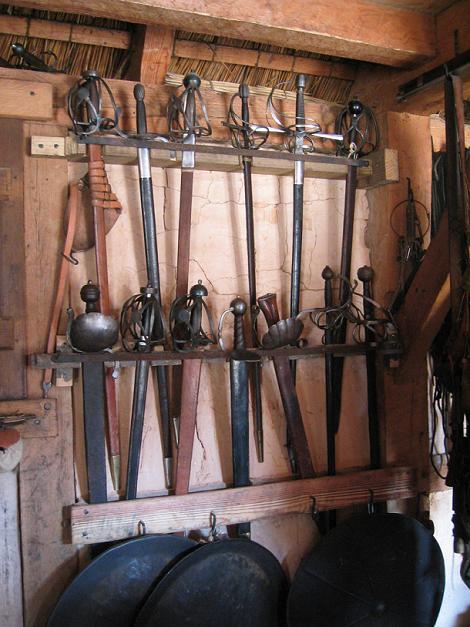
* Jamestown Settlement
*
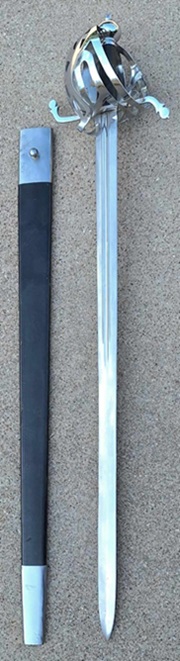
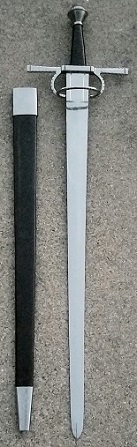
Windlass Steelcrafts *
* Royal Armouries Museum > War Gallery
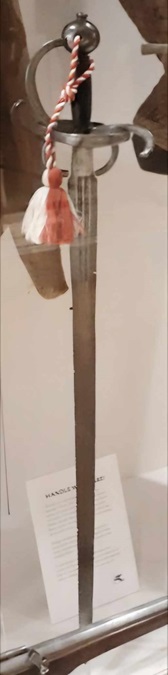
"Sword English, blade probably German, about 1600
The reproduction sword knot on this sword is based on
ones shown in contemporary English monumental brasses.
Functional as well as ornamental, it served to secure the sword
should it be knocked from the hand." ...
Hanwei / Kingston Arms #SM22030 *
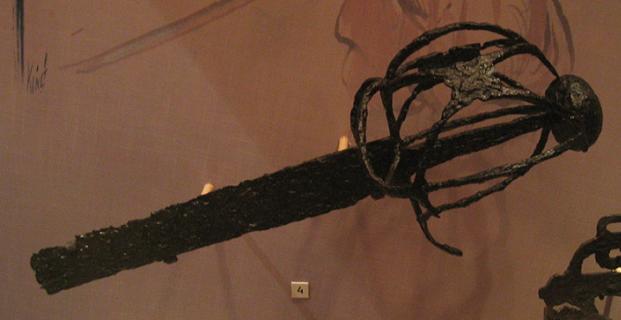
* Historic Jamestowne > Visitor Center
"Broad sword with basket hilt ca. 1590-1610,
made in England, iron, found in kiln on Harvey House property"
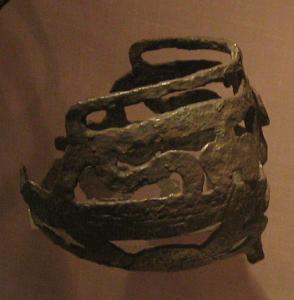
Historic Jamestowne > Visitor Center *
"Basket sword guard for a broad or backsword ca. 1650,
made in England, iron, found in New Towne"
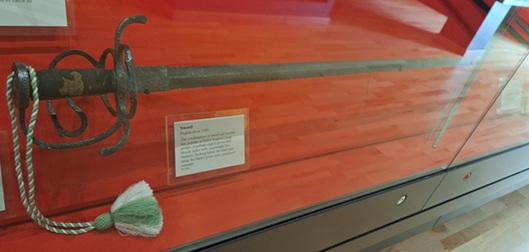
* Royal Armouries Museum > Self-Defence Gallery
"Sword English, about 1580 The combination of sword and buckler was popular in Tudor England.
Large groups of gallants staged spectacular, bloody fights with surprisingly few fatalities.
Striking below the knee and using the blade's point were considered unmanly." ...