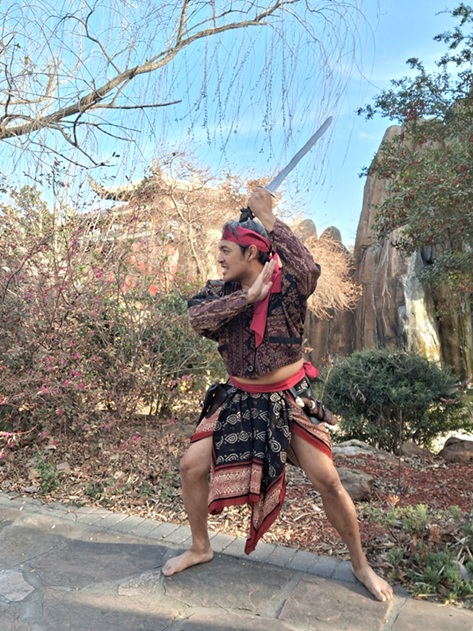
Subject: timawa warrior
Culture: Visayan
Setting: Visayas 16thc
Event Photos
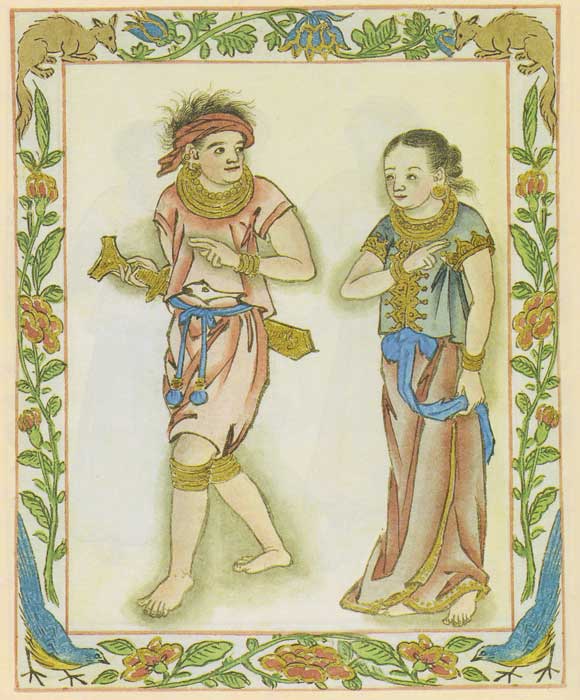
"Observations of the Pintados' social practices also reveal polygamous practices among men and a hierarchical society that practices slavery. Men may marry as many wives as they may so long as they can buy and support them. However, they may not marry anyone who is below their social class."
"The Spaniards were puzzled and perplexed at how promiscuous the Visayans were and how much they enjoyed the use of their genital piercings, which was, according to the late 16th century anonymous writer of the Boxer Codex, a “constumbre inbentada por el dimonio” (custom invented by the devil). The Visayans were “todo un dia o una noche pegados y asidos el uno con el otro” (stuck all day or night clinging to each other) while “sintiendo en esto gran delectacion mayormente las mugeres” (feeling great delight in this, especially the women). Moreover, the writer claims that there were more than 30 varieties of spurs, more than Loarca's count, and each had a different name, although in general they were called sacra."
Primary Sources
* Sinaunang Panahon 2025-04-25 online
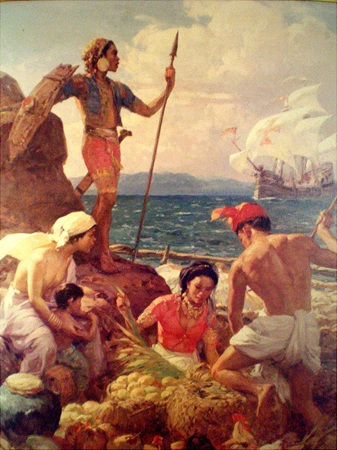
"The Visayan islands were known for their seafaring culture and the martial prowess of their warriors. The Timawa were particularly celebrated for their fighting skills. Raid tactics (mangayaw) were a central feature of Visayan warfare, involving swift maritime expeditions to other islands or coastal communities for plunder and captives. Their warships, the karakoa, were formidable vessels capable of rapid movement. While they also engaged in land battles, their mastery of naval warfare and raiding was a defining characteristic. Accounts from the Spanish provide glimpses into the ferocity of Visayan warriors and their complex social structure tied to military service."
* Sinaunang Panahon 2025-04-24 online
"The inhabitants of the Visayan islands were renowned seafarers and warriors, frequently engaging in Raids (mangangayaw). Early Spanish accounts, like those from the Pigafetta chronicle of Magellan’s voyage, describe Visayan warriors armed with swords, daggers, spears (Bangkaw/Sibat), and large rectangular shields (Kalasag). Their large warships, known as karakoa, allowed them to project power across the seas. Their martial prowess was well-respected and feared by neighboring groups."
Secondary Sources
"There is this misconception of precolonial Visayan culture. It's this image of the noble bagani who is attuned to the spirits of nature and wears little more than a bahag—a symbol of the past that is almost fantastical, a romanticized glimpse from pop culture.
"We have to remember that the Visayans of 1521, and consequently, the ones of Legazpi’s time 40 years later, were more than generic Western stereotypes. They were real people with a rich culture and diverse interests."
Field Notes
1.